
En Guayaquil, Ecuador, el sol se ocultó a las 6:11 de la tarde del sábado 17 de octubre de 2026. Una hora después, el padre Patricio Alfredo Sánchez Molinari, de 53 años, celebraba una misa vespertina en la iglesia Nuestra Señora del Perpetuo Socorro. Alrededor de las siete, ante un altar flanqueado por flores blancas, se puso los lentes de leer y se dispuso a entablar su habitual diálogo con los fieles.
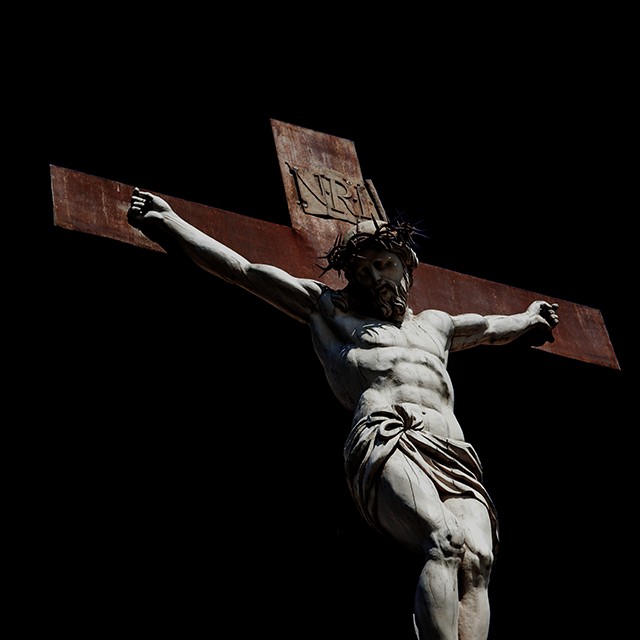




I have sometimes thought about what, for once, I might call “the oneiric substance,” if only to steer the question into less sinister territory: do dreams arise from experiences not fully processed, or are they autonomous energetic structures, detached from various material or temporal sources, that pass through the mind in search of the lost warmth of emotions? The question has its beauty.

The Economist, in its October 17 issue, devotes a page of its United States section to a woman in Peachtree City, Georgia, who trains sumo wrestlers. Katie Hardeman is a combat veteran. She calls her boys the Black Dragon boys, though they are closer to middle-aged men.
The Roman historian, senator, and politician Cassius Dio loved a front-row seat. To tell how Commodus, that son of Marcus Aurelius who liked to rule Rome dressed as Hercules, went down into the amphitheatre arena one afternoon and beheaded an incredulous ostrich. With the creature’s head in his left hand and the wet sword in his right, he climbed to the stands where the senators were sitting. He said nothing.
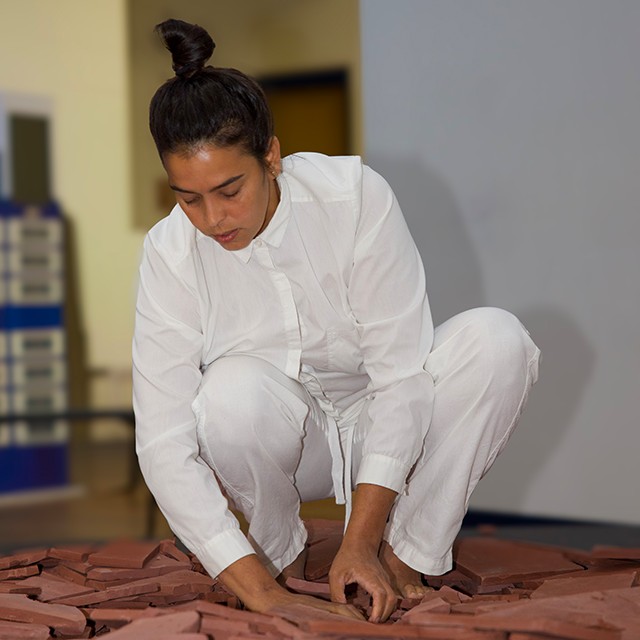
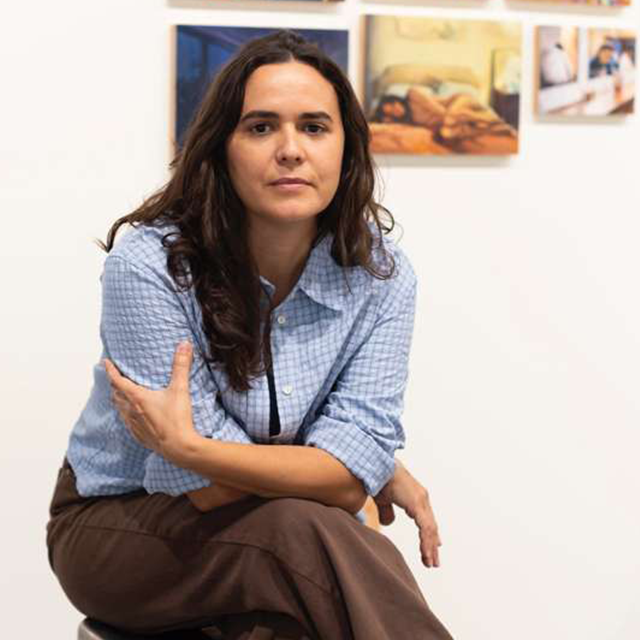
In encounters with certain works of contemporary visual art, perception activates modes of association that situate aesthetic experience in territories where matter, gesture, and time intertwine. Elizabet Cerviño’s (Manzanillo, Cuba, 1986) exhibition The Rhythm of Resilience, recently presented at Gallery 114 in Ybor City, Florida, unfolds within this horizon.

Whenever I take part—as a curator or a viewer—in an exhibition bringing together several artists, seven women in this case, any number of men or any combination of the two sexes, I try to imagine the reasons, the implicit mystique that such a combination requires.

On Saturday, September 12th, The Annex Gallery brought together some forty people for an evening of celebration and fundraising dedicated to advancing the education of children living in some of the world's poorest communities.
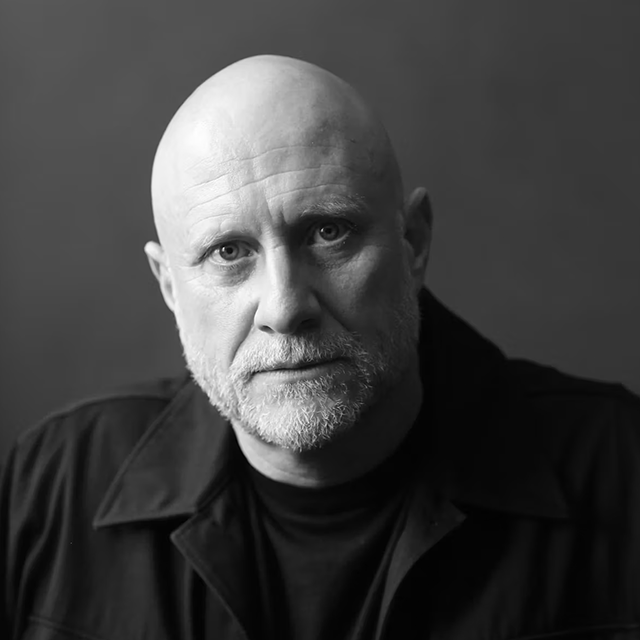
Beyond I.T.I.N.E.R.A.T.I.O.N.S., at The Annex Gallery, The Most Merciful Thing in the World, by renowned American artist Trevor Paglen, was the first exhibition I visited in the current FotoFocus Biennial at its main venue. Open since October 1, it held its official reception only yesterday, on the 3rd, following a performance-lecture by Paglen.
Apparent alignments of five or six planets occur with relative frequency. Gathering seven within the same visible band of sky is a far less common phenomenon, limited to only a handful of occasions per century, and the coincidence of all eight planets is rarer still. A perfect alignment of them all is virtually impossible.
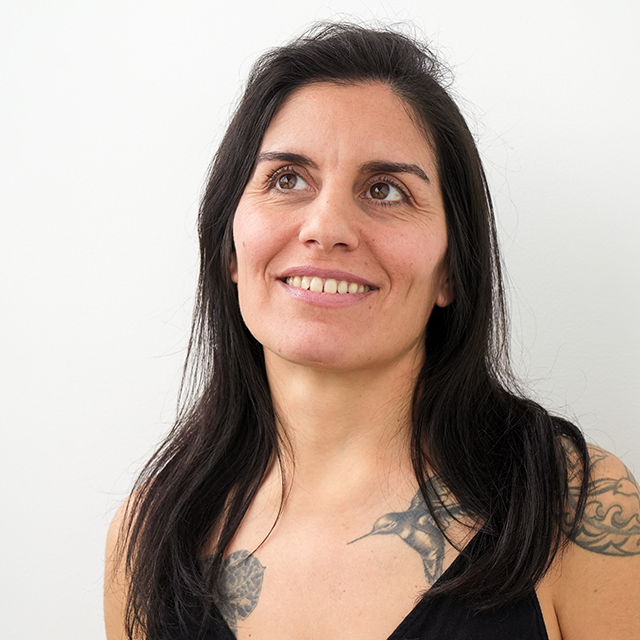
In the Middle of the Endless Water, a solo exhibition by Julia Orquera Bianco curated by Carolina Cuervo at the Philip M. Meyers Jr. Memorial Gallery at the University of Cincinnati, brings together more than a decade of work by an artist whose practice has gradually moved from the personal experience of migration toward an inquiry into territory, memory, ecology, and alternative forms of knowledge.
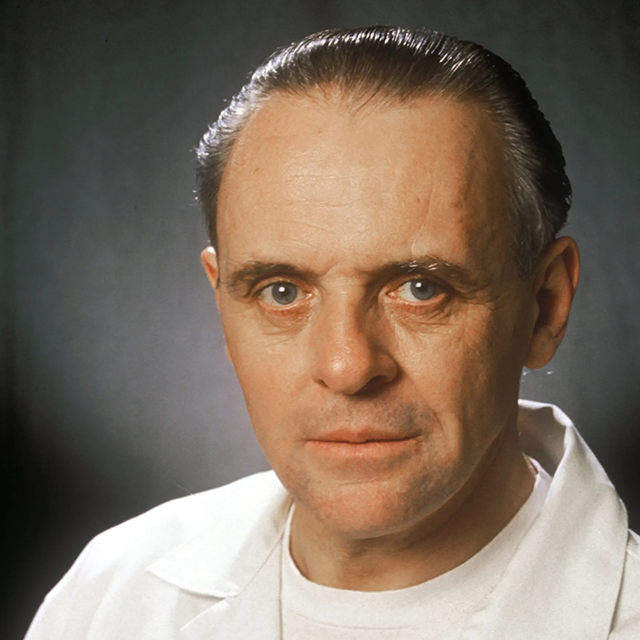
I suppose that, like me, hundreds and probably thousands of viewers developed a dark sympathy for the character of Hannibal Lecter. The two actors who, to date, have embodied him most memorably are Anthony Hopkins and Mads Mikkelsen. The character displays extraordinary intelligence and self-control. He conducts himself according to his own rules and ethical codes.
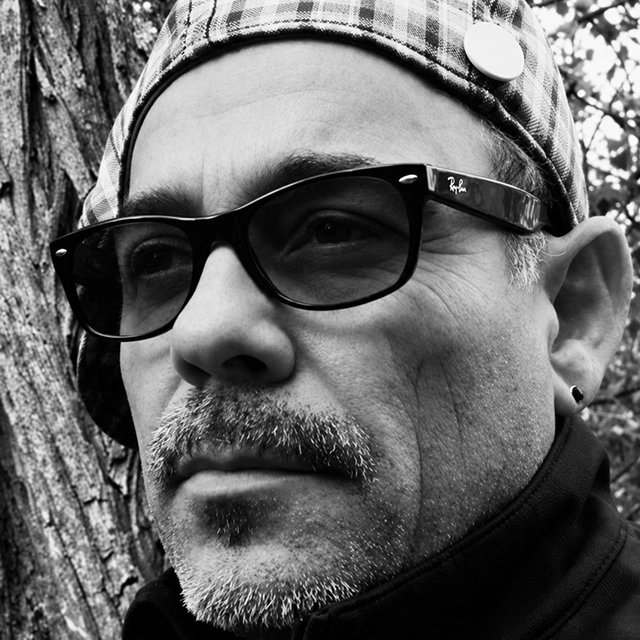
The following interview was published by Hypermedia Magazine on July 9, 2019, as part of its section “The Forms of Violence.” Today, with Juan-Sí’s explicit authorization—and, presumably, that of its author, who died in Havana a few years ago—we reproduce it in the Annex News Section on the occasion of his exhibition I.T.I.N.E.R.A.T.I.O.N.S. at The Annex Gallery.
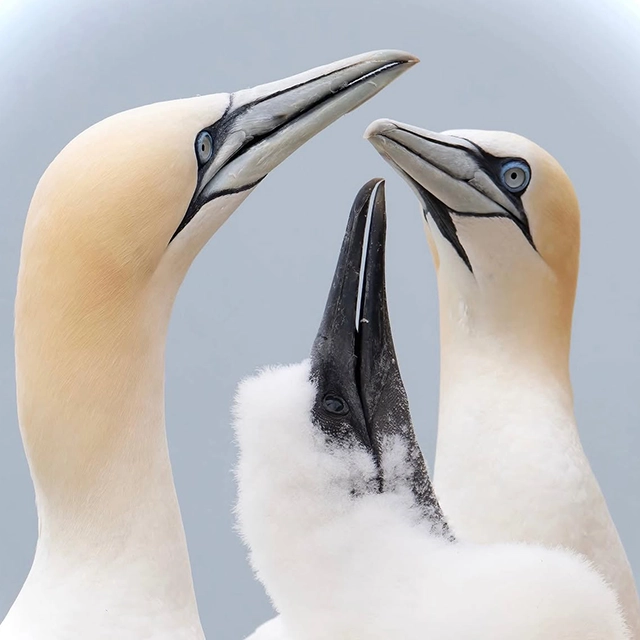
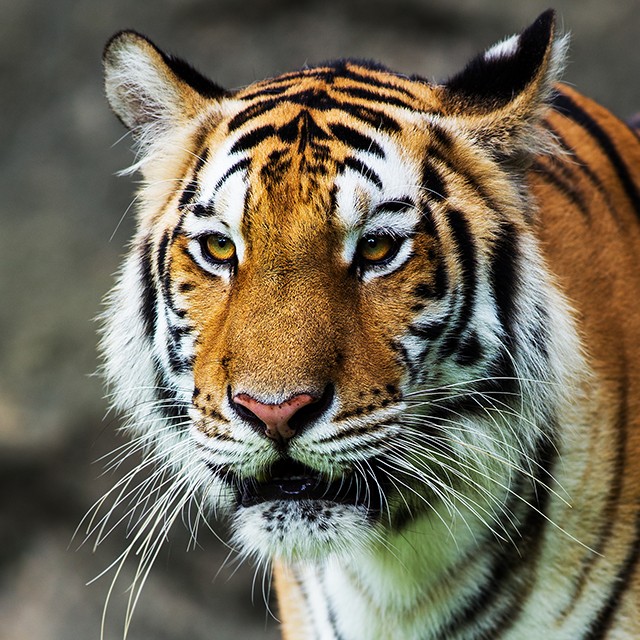
Like so many other wildlife photographs, this one immediately caught my attention. It was published in Digital Camera World, issue 312, October 2026, in the Reader Gallery section. A space intended to give visibility to work submitted by readers, with no distinction between amateurs, emerging photographers, and established professionals. They do not seem particularly interested in any genre or style, only in creativity, provided it finds a technically solid resolution...
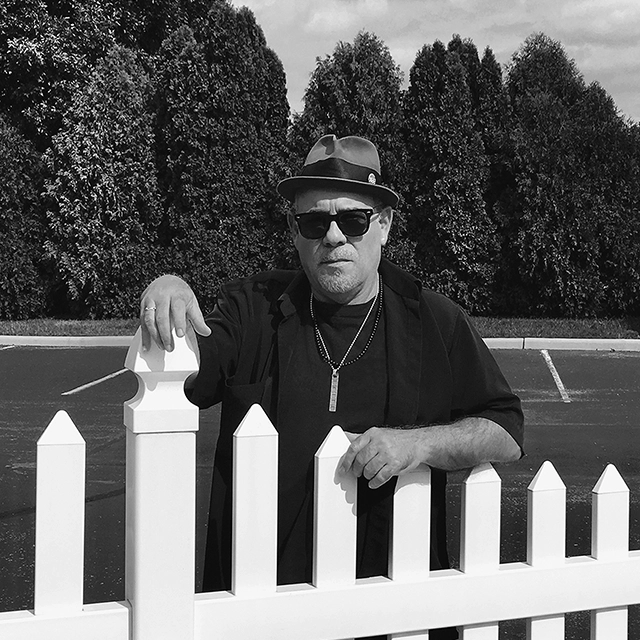
In a couple of weeks, The Annex Gallery will receive an exhibition by Juan-Sí González. There are several generations of Cuban artists —the younger ones especially— with only a very blurred idea of who Juan-Sí is and what his role has been in Cuban visual arts during the second half of the twentieth century. Some do not know him at all. This does not surprise me.
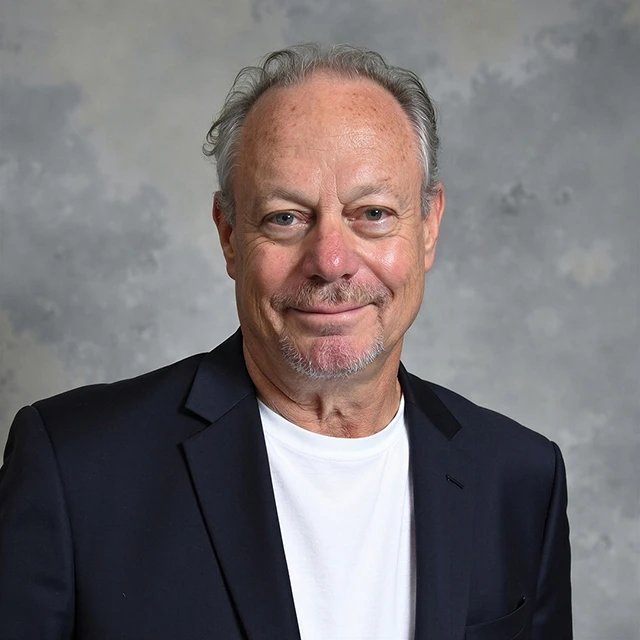
Photographer Jens G. Rosenkrantz Jr. opens Crossing the Border next Friday, September 4, in the main gallery of the Museum of Contemporary Art of the Americas in Miami. This is only the second time this body of photographs, taken along an extensive stretch of the southern border of the United States, has been shown publicly. Its first presentation took place in Cuba, at Fábrica de Arte Cubano, in 2019...
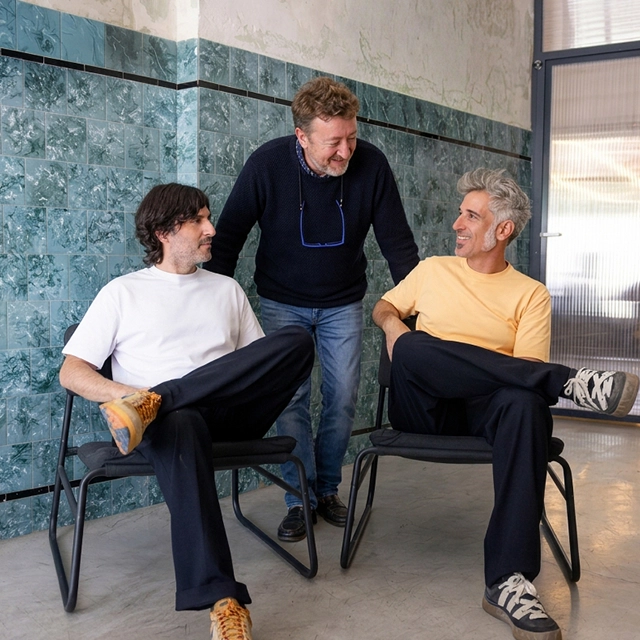
For this series, Rubio & del Amo, a Murcia-based studio specializing in visual identity, editorial design and packaging, joins forces with Cruz más Cruz, the Madrid firm founded by José María Cruz Novillo and later consolidated with the arrival of his son Pepe. Two fairly complementary sensibilities feeding into a common project.


If you’re a regular reader of this blog and enjoy its content, you might consider contributing to its upkeep. Any amount, no matter how small, will be warmly appreciated
Founded in 2021, Echoes (Notes of Visual Narrative) invites everyone to explore together the visual codes that shape our world—art, photography, design, and advertising in dialogue with society.

Copyright © 2026 r10studio.com. All Rights Reserved. Website Powered by r10studio.com
Cincinnati, Ohio